
Is your life online a net positive or not? Tell us in this short survey.

Is your life online a net positive or not? Tell us in this short survey.
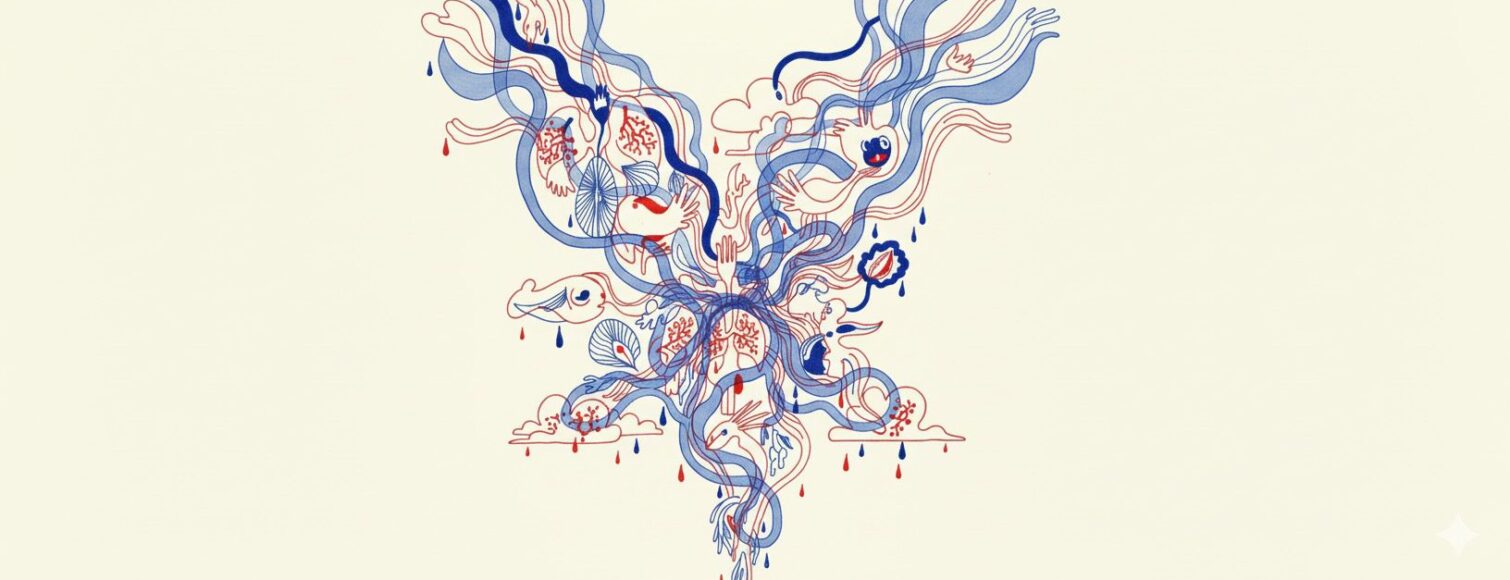
Take a moment to breathe deeply in and out. Feel the air flowing through your lungs, cool or warm, light or heavy. Realize that each breath connects you to everything that lives.

Grab some brain food and celebrate critical thinking at Studium Generale TU Delft since January 21st 1946.
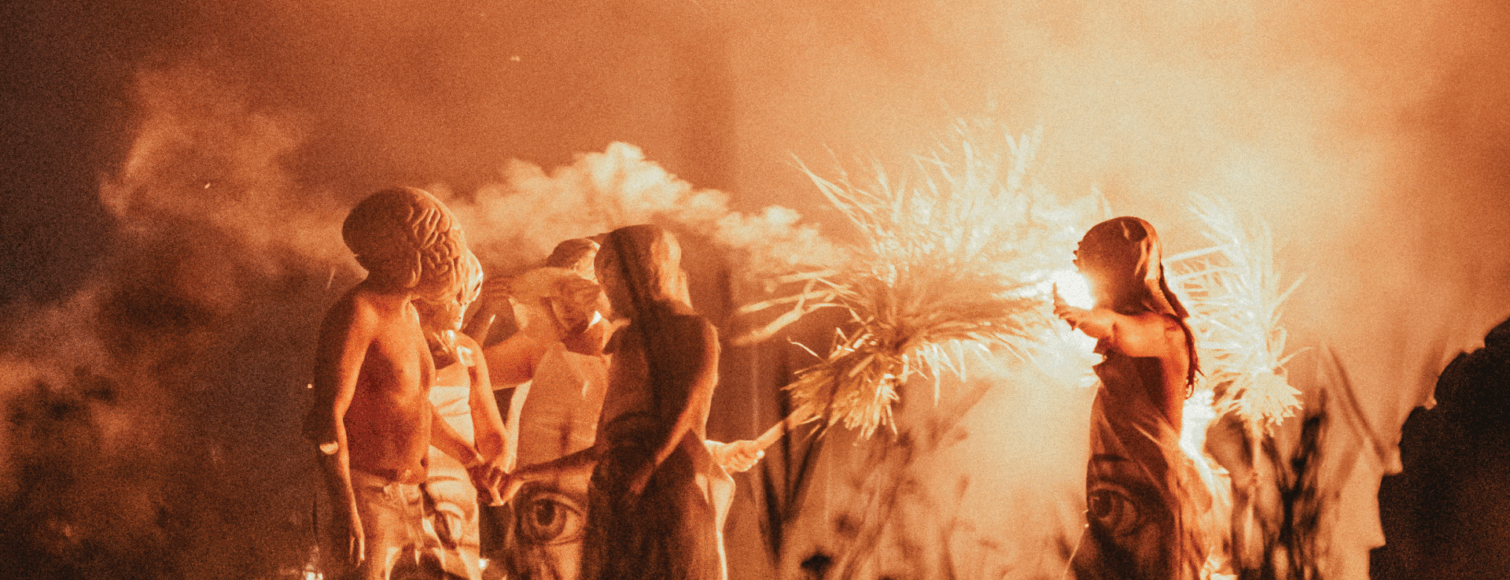
You wake up. Even before getting out of bed, you check your phone. One message, a notification, a headline. Something urgent. Something demanding attention. Something that makes you angry. Your brain immediately switches on. This is neurocapitalism.
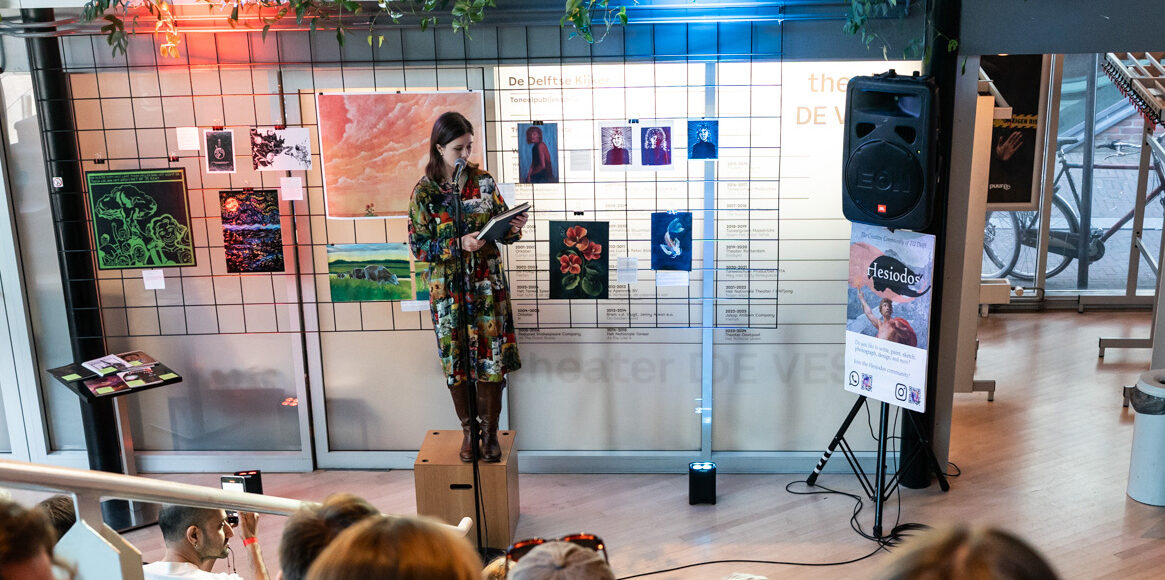
We are looking for art and poems for an exhibition at For Love of the World festival happening in March in Delft.
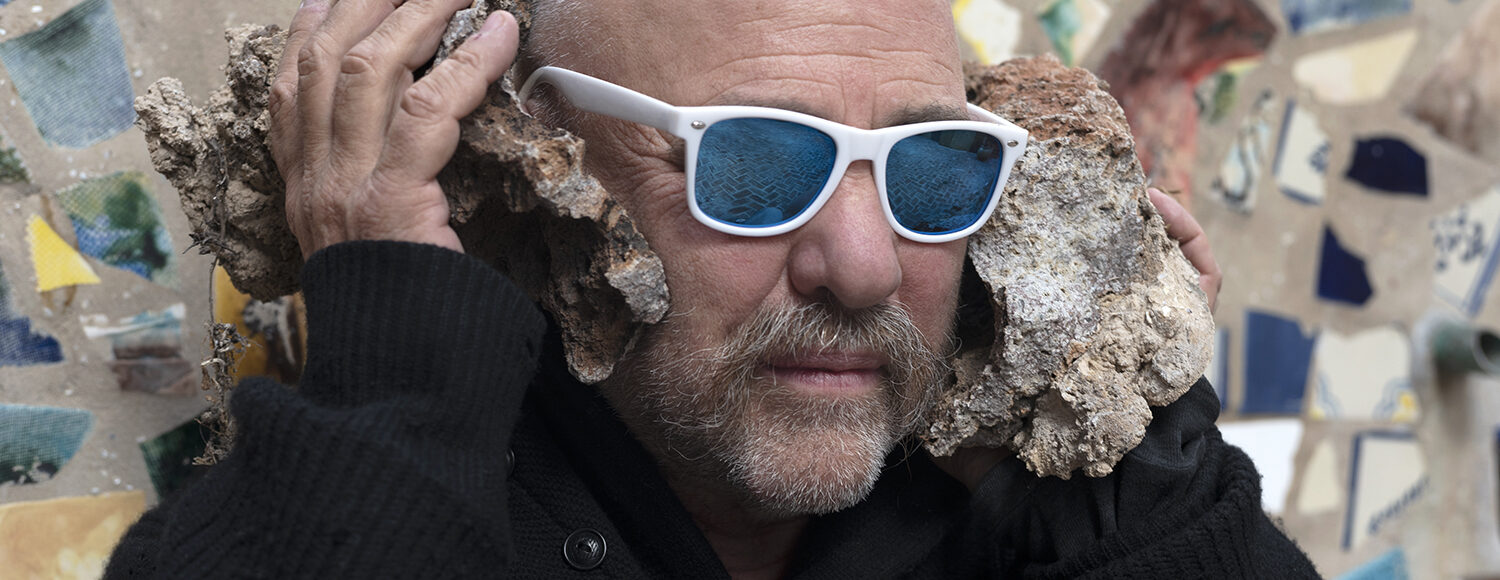
Studium Generale TU Delft is looking for two motivated student assistants to collaborate with internationally renowned artist Warren Neidich on a new art installation for the festival For Love of the World: Digital Love on 21 March 2025.
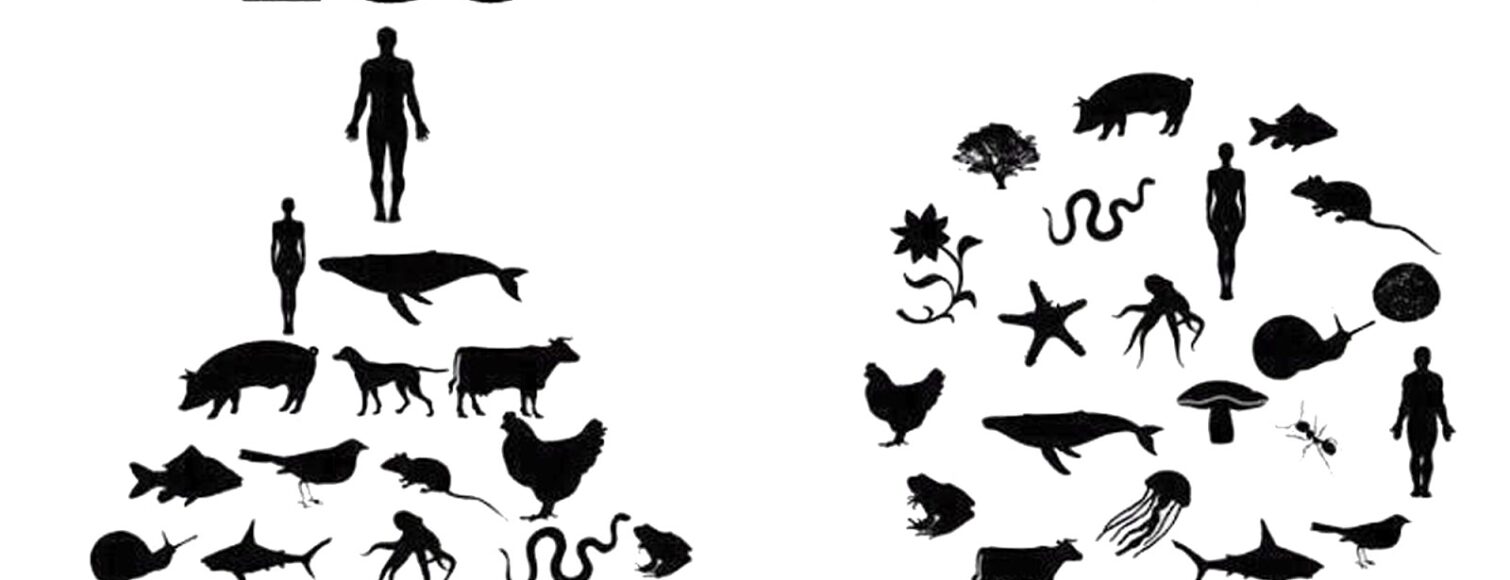
When we talk about public space, we usually think of squares, parks, and streets – places where people meet, move, protest, or rest. But public space is always political.
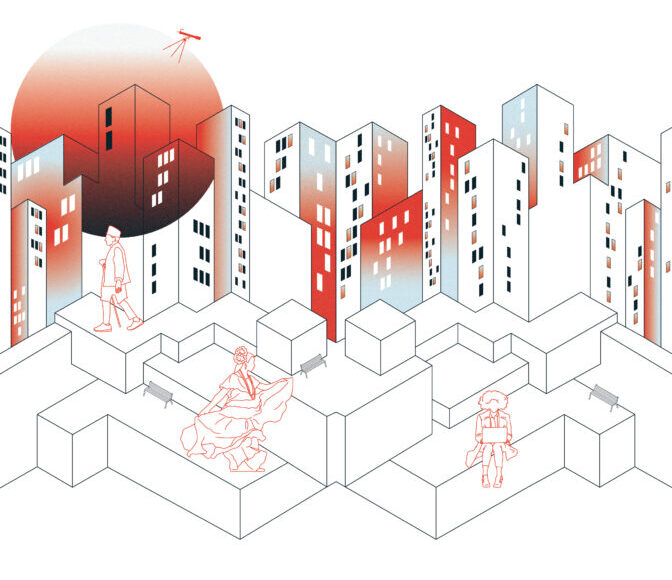
In recent weeks, Studium Generale explored the theme of (re)claiming space – both literally and figuratively. What does it mean to claim space within the university, or in the city? Who decides who may stand where, speak, or remain silent? Our first gathering focused on student protests on campus. Students entered into conversation with, among […]
Men of the TU Delft, come make your voices heard on the problem of femicide and violence against women.
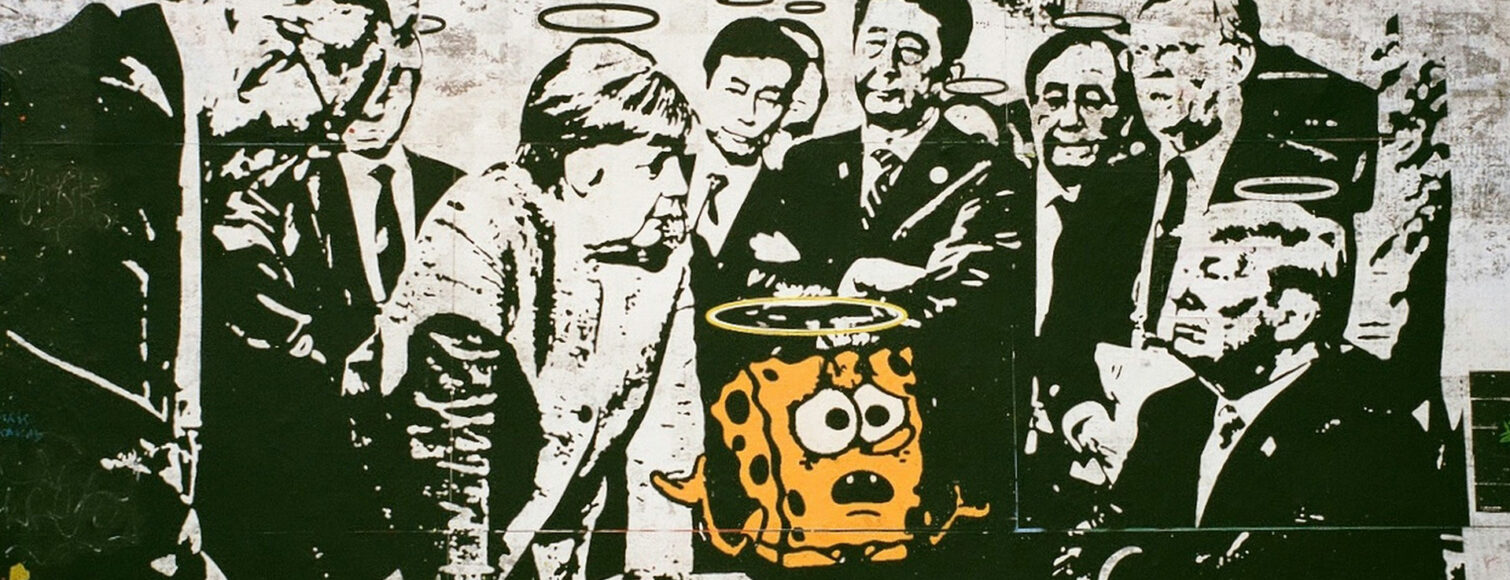
In the interplay between identity, power, and context, what does it take for you to speak up and be heard?