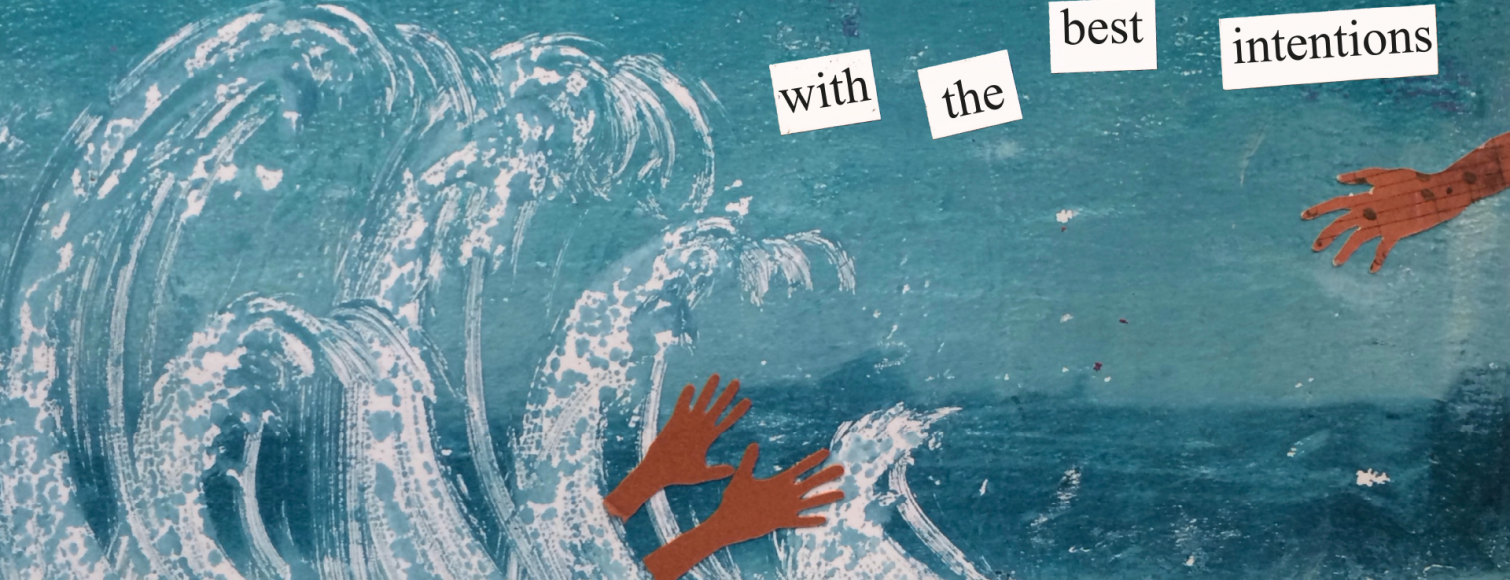
For this year’s Keti Koti, commemorating the abolition of slavery, join the societal debate: are apologies enough, or should we pay financial compensation?
You are invited to come speak to the jellyfish, to touch its smooth surface, to ask it questions. Thursday, 4pm, the Library.
‘Honestly, I just thought it was a cool project when I read the article. Not for a moment did I recognize the frame of white saviours,’ says Silke, a master’s student Industrial Ecology. Her comment opens our brainstorm.
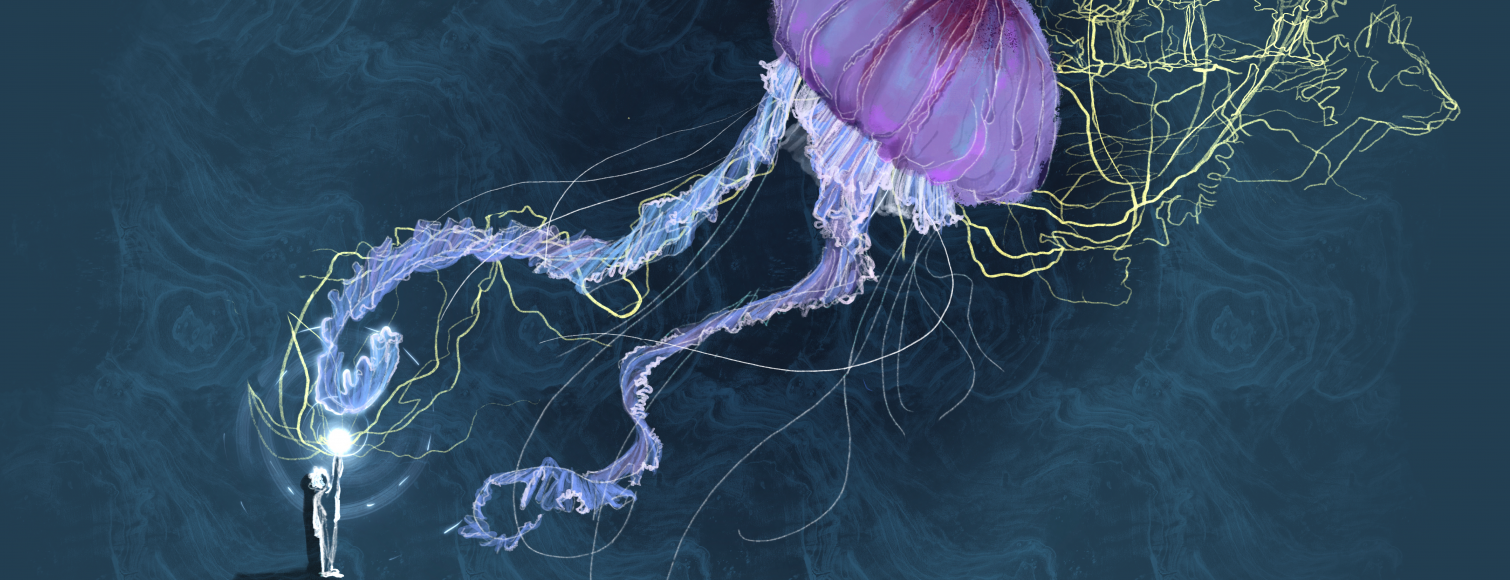
Researchers and staff from the TU Delft are dragging a virtual jellyfish out of an ocean of data. But why? Can humans understand what it says? Will it speak at all?
Find out how TU Delft Sustainability Coordinator Andy van den Dobbelsteen navigates the challenges of being a scientist and an activist in the middle of a climate crisis.
I’ll get straight to the point: as a city dweller, I don’t have much of a connection with trees. And especially not when there are a lot of them together.
Why are we afraid? A simple question, but the answer is – as is often the case with philosophers – not so simple.
Did you miss the Sustainability Symposium? Not a problem! Read the review by guest columnist Mark Musa Mitrani (BSc).
In the theatre, we can feel devastated when the main character dies or agree with the most horrible villain. What happens when we engage with fiction? Does it tell us something about reality? What do we take home once the curtain has fallen?
In the dark days before Christmas, a group of students gathered in TU Delft’s library for pizza, drinks and mythology. Under guidance of mythologist Hugo Koning (LEI), they explored the full story of Prometheus and created new myths about technology. Here is Part III of the results. Brace yourselves.